


Regulation Is Hard, Bans Are Easy. Albania and the Case of the Banning Scooters
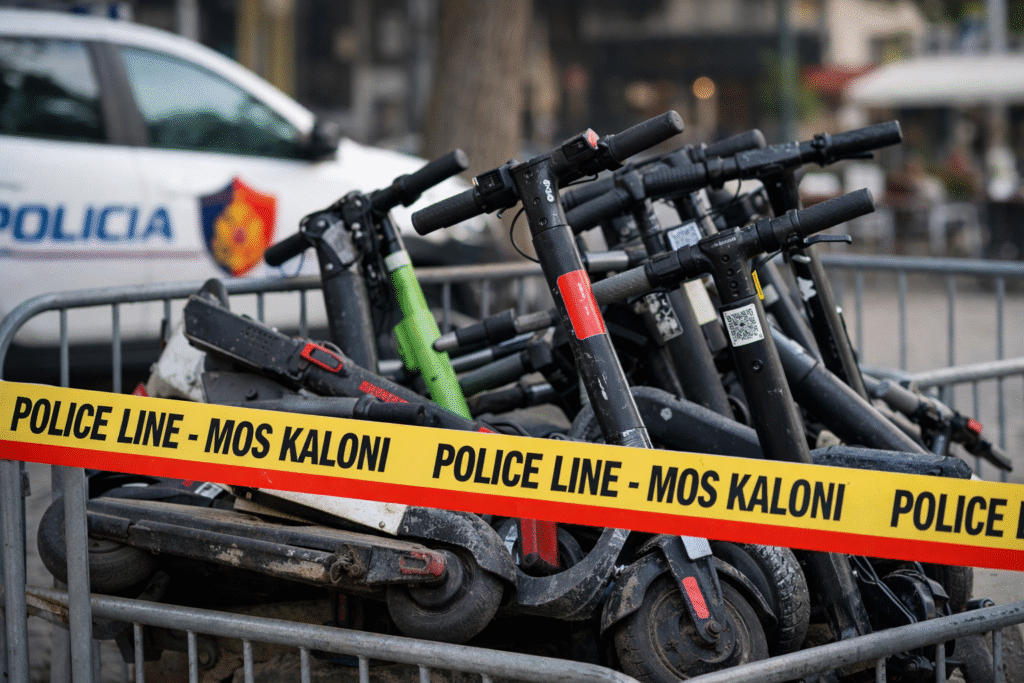
In October 2025, Albania’s government temporarily banned the circulation of electric scooters on public roads, citing safety concerns and an uptick in accidents, even if it seemed overeacting. [source]
Albania’s Interior Ministry, led by Albana Koçiu, announced that electric scooters would be suspended nationwide “until new regulations are adopted” to govern how they can be used and where. Authorities pointed to a large number of accidents in 2024 as justification for the move. 991 accidents. [source]
The government emphasized that the ban is temporary, with future regulations expected to include age limits, safety requirements like helmets and lighting, and possible speed restrictions, but those rules have not yet been drafted or implemented. [source]
Critics have called the ban hasty and authoritarian, arguing that it infringes on mobility rights and punishes riders without offering immediate alternatives or clear future standards. Some experts suggest the real issue is not scooters themselves, but the lack of foresight in traffic and urban planning. While many young people and a significant number of drivers have welcomed the ban, citing the rise in accidents and the often careless behavior of electric scooter users, concerns remain. In several cases, scooter riders have reportedly damaged vehicles and fled the scene. [source]
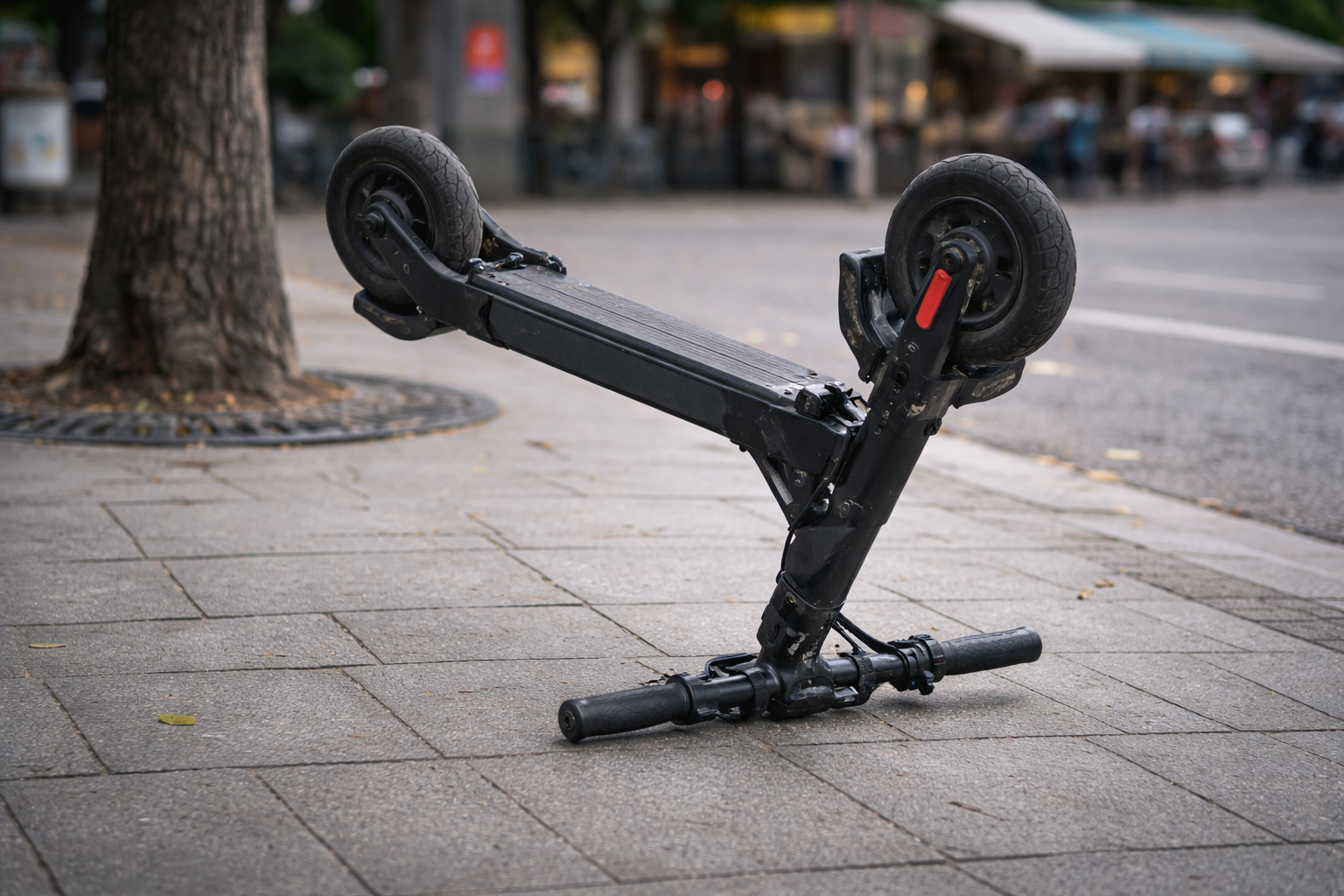
Electric scooters have surged in popularity throughout Europe and with them have come safety concerns. But instead of banning, most countries have chosen regulation:
In Germany, e-scooters are legal on public roads if limited to 20 km/h, insured, and fitted with approved safety features; riders must be at least 14 years old. [source]
France allows e-scooters with technical and safety rules, minimum age limits, and defined zones where they can operate. [source]
Other EU countries impose minimum ages, helmet use, and restrictions on where scooters can be ridden, but stop short of banning them entirely. [source]
Across Europe, policymakers generally agree that electric scooters can be part of sustainable urban transport, provided they are governed by sensible rules. These typically include:
• Age limits (often 14–16 years) [source]
• Speed caps and designated zones [source]
• Safety gear requirements [source]
• Insurance or registration in some countries [source]
Albania’s decision may temporarily reduce scooter accidents on streets, but it also risks pushing use underground, out of sight of enforcement, and without safety oversight.
Other European countries show that safer scooter use doesn’t require erasure, it requires rules, enforcement, and integration.